Wouter van Beijnum: The Visionary Architect Who Defined the Dutch Biblebelt
The name Wouter van Beijnum might not have been a household one across the Netherlands, yet his architectural legacy is undeniable, particularly within the country's distinctive "Biblebelt" region. The recent passing of the 79-year-old architect in his hometown of Amerongen brought to light the sheer breadth and impact of his work. Van Beijnum was a prolific designer, responsible for an astounding array of buildings, but it was his church designs that truly became the visual anchors for many communities, shaping the very skyline and identity of this religiously conservative strip of the Netherlands.
From Zeeland in the southwest all the way to Overijssel in the east, Van Beijnum's structures stand as tangible testaments to faith and community. He wasn't just building structures; he was crafting spaces that served as the spiritual and often social hearts of these villages and towns. His unique approach, blending traditional aesthetics with subtle yet profound symbolic elements, left an indelible mark on an architectural style that, for many, defines the Dutch Biblebelt.
The Architect Behind the Biblebelt's Iconic Skylines
Wouter van Beijnum's portfolio extends far beyond the typical scope of an architect. While he designed a variety of buildings, his fame predominantly stems from the numerous churches he brought to life. In the fishing village of Urk alone, a place he held particularly dear (his Amerongen office reportedly overflowed with Urk project drawings, complete with a scale model of the fishing boat UK44), he was responsible for an astonishing seven church buildings. But his influence in Urk didn't stop at religious edifices; he also designed a sports hall, two schools, and even the local fish auction, demonstrating his integral role in the town's development.
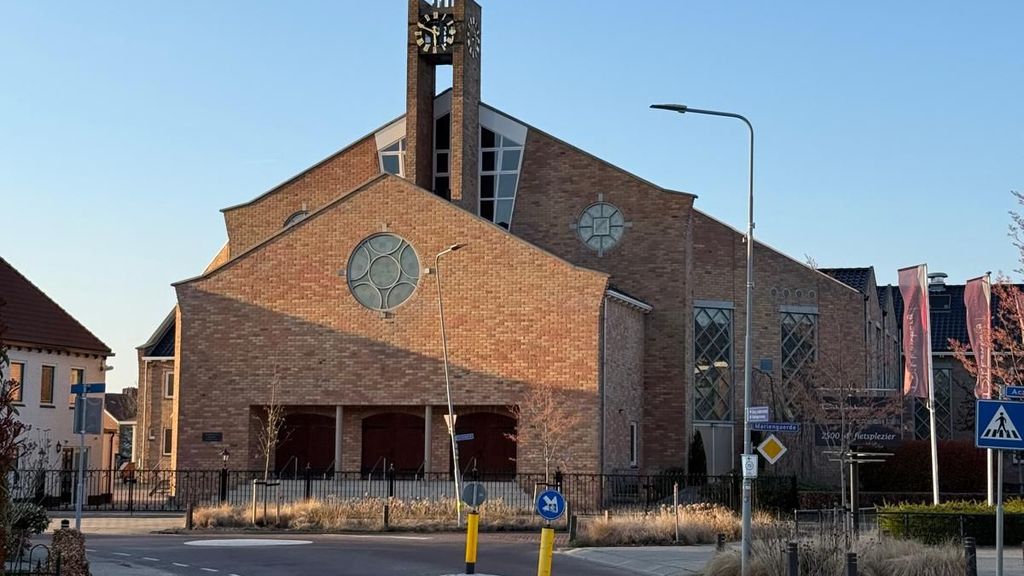
His work stretched across the entire Biblebelt, a region characterized by a high concentration of conservative Protestant communities. Churches bearing his signature design can be found in places like Genemuiden, Barneveld, Putten, Elspeet, Schoonrewoerd, Zuilichem, and Wijk en Aalburg, among many others. These buildings, often characterized by robust brickwork, traditional roof tiles, and distinct copper accents, are instantly recognizable. They are more than just places of worship; they are landmarks, community focal points, and symbols of enduring faith. Reflecting on the profound and lasting presence of these structures, standing strong against the currents of change, one might perceive them as an enduring narrative, a deeply etched "In De Tijd Is Het Een Sentimenteel Lied" – a sentimental song of faith and community echoing through the years.
Perhaps most strikingly, Van Beijnum designed two immense churches in the Gelderland village of Opheusden. One, belonging to the Gereformeerde Gemeenten in Nederland, boasts an impressive 2,850 seats, making it the largest church building in the entire Netherlands. Just a few hundred meters away stands another of his creations, the Gereformeerde Gemeente van Opheusden church, with 2,000 seats. These monumental structures, built for congregations that parted ways after the 1953 schism, exemplify his ability to meet the specific needs of distinct communities while maintaining his signature style. One of his final large-scale projects, Zeeland's largest church for the Gereformeerde Gemeente in Yerseke, was just completed and opened in 2024, a testament to his continued prolific output until the very end.
Beyond Bricks and Mortar: The Art of Symbolism in Design
What truly set Wouter van Beijnum apart was his nuanced approach to design. While he respectfully grounded his work in traditional church architecture, he consciously strived to avoid excessive sobriety. He believed strongly in the importance of infusing his buildings with symbolism, a departure from the often unadorned aesthetics typically associated with certain conservative Reformed traditions. "There should certainly be more possibilities," Van Beijnum once stated in an interview with the Reformatorisch Dagblad. "It is true that too much attention to symbolism and art in the church distracts from the purpose: preaching and the sacraments. But we must not go too far in that. If there is no room at all to add symbolism to the building, we are missing out."
This philosophy is evident in various projects. He pointed to the three large round, painted glass windows in the otherwise austere Gereformeerde Gemeenten in Nederland church in Barneveld, which subtly refer to Biblical proverbs. Similarly, the Hervormde Gemeente De Ark in Urk features two magnificent stained-glass panels – a common sight in Catholic churches but a notable and beautiful addition to a Reformed one, as Van Beijnum himself observed. These details were not mere decoration; they were integral elements designed to deepen the spiritual experience and connect the worshipper to deeper theological truths. His work invites visitors and congregants alike to look beyond the immediate function and appreciate the layered meanings embedded within the very fabric of the building. To learn more about his innovative approach to design, consider reading Symbolism in Stone: Wouter van Beijnum's Innovative Church Design.
Megachurches and Community Hubs: Van Beijnum's Enduring Legacy
Wouter van Beijnum's impact is perhaps most profoundly felt in the sheer scale and ubiquity of his work. His "megachurches" like those in Opheusden and Yerseke are not just architectural feats; they represent a significant response to the growth of congregations in the Dutch Biblebelt. These vast spaces accommodate thousands, facilitating large-scale worship and reinforcing community bonds in a way few other buildings can. The presence of two massive churches of his design in Opheusden, serving distinct branches of the Reformed tradition, also highlights his remarkable ability to cater to specific denominational needs while maintaining architectural excellence.
Moreover, his comprehensive work in towns like Urk—designing not just places of worship but also schools, sports facilities, and commercial buildings—underscores his role as a community builder. He understood the holistic needs of these religious communities and contributed to their physical and social infrastructure in a way that transcended the typical role of an architect. His buildings are more than shelters; they are institutions that underpin daily life and cultural identity. For further exploration of his monumental structures, check out From Urk to Opheusden: Wouter van Beijnum's Iconic Megachurches.
Tips for Appreciating Van Beijnum's Architecture:
- Observe the Materials: Pay attention to the consistent use of brick, roof tiles, and copper, which give his buildings a robust, grounded, and often subtly elegant character.
- Seek Out Symbolism: Look for details like specific window shapes, stained-glass motifs, or tower designs that might carry a deeper, often biblical, meaning.
- Consider the Context: Understand the historical and religious background of the communities these churches serve to fully grasp the significance of their design choices.
- Note the Scale: Marvel at the sheer size of his larger churches and how they dominate the landscape, reflecting the strength and growth of their congregations.
Preserving a Unique Architectural Heritage
Wouter van Beijnum's prolific output and distinctive style have created a unique architectural heritage that warrants careful preservation and study. His buildings offer invaluable insights into the social and religious dynamics of the Dutch Biblebelt over several decades. They represent a period of growth and consolidation for many conservative Protestant denominations, and his designs effectively captured the essence of their beliefs while responding to modern congregational needs.
As these structures age, considerations of maintenance, potential renovations, and even formal recognition as architectural monuments will become increasingly important. For architects, historians, and cultural enthusiasts, Van Beijnum's body of work provides a fascinating case study in how tradition and subtle innovation can coexist within a specific cultural and religious context. Visiting these churches is not just an architectural tour; it's a journey into the heart of Dutch religious culture, offering a tangible connection to the spiritual landscape of a unique region.
Conclusion
Wouter van Beijnum's passing marks the end of an era for Dutch church architecture. Though not widely celebrated in mainstream media during his lifetime, his influence on the visual and spiritual landscape of the Dutch Biblebelt is immeasurable. Through his thoughtful designs, robust construction, and commitment to subtle symbolism, he created buildings that are both functional places of worship and profound expressions of faith and community identity. His legacy endures not just in brick and copper, but in the collective memory and spiritual journey of the countless individuals who have found solace and strength within the walls he so skillfully crafted, leaving behind an architectural "In De Tijd Is Het Een Sentimenteel Lied" for generations to come.